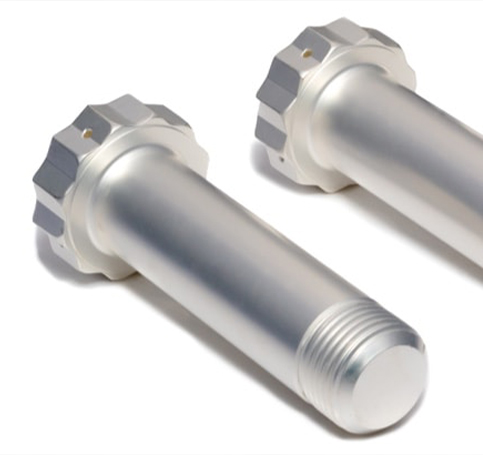

Silver (ASTM: B 700) Plating
Premium Silver Plating for High-Performance Applications
Is your electrical equipment suffering from connectivity issues, signal loss, or thermal management problems? Many manufacturers face performance challenges with components lacking the optimal conductivity and surface properties that only properly applied silver plating can provide.
At Nobert Plating, we deliver precision silver plating services for businesses requiring exceptional electrical conductivity, thermal transfer, and corrosion resistance. From electrical contacts to bus bars, our silver-plating solutions provide outstanding performance across diverse industrial applications.

The Important Value of Professional Silver Plating
Generic plating services often fail to achieve the precise deposit characteristics required for high-performance electrical components. Your products demand a plating partner with specialized expertise in silver deposition technology.
Our silver-plating services address several important industrial needs:
- Outstanding electrical conductivity for electrical distribution transmission
- Extended service life for electrical contacts
- Improved thermal transfer for heat-important applications
- Anti-galling properties for threaded components
- Reflectivity requirements for optical applications
- Specialized requirements for electrical distribution components
With extensive silver-plating expertise dating back to our founding in 1903, our technical team balances performance with cost-effectiveness to deliver silver-plated components that excel in demanding applications.
Silver Plating Process Advantages

Optimized Conductivity
Our silver plating provides the highest electrical conductivity of any metal, reducing energy losses in electrical distribution transmission applications.

Thickness Precision
Advanced process controls maintain consistent deposit thickness to meet your exact specifications and ASTM standards.

Tarnish Protection
Optional anti-tarnish treatments extend the bright appearance and surface conductivity of silver-plated components.

Adhesion Excellence
Comprehensive surface preparation creates exceptional bonding to base metals, including properly prepared aluminum.

Quality Verification
Rigorous testing protocols confirm thickness, adhesion, and performance characteristics of every batch.

Custom Formulations
Specialized silver-plating options available for specific performance requirements.
Contact Us
Ready to improve your product performance with precision silver plating? We can provide high-quality silver finishes that meet your exact specifications, boost electrical performance, and deliver consistent results.
Industrial Applications for Silver Plating
Our silver-plating services provide solutions across numerous industries:

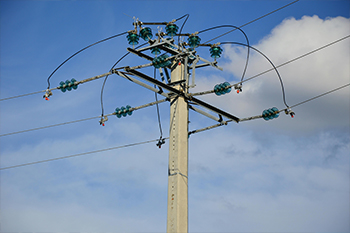
Electrical Distribution Generation and Distribution
Silver-plated bus bars, switchgear contacts, and connection hardware deliver optimal conductivity and heat dissipation.
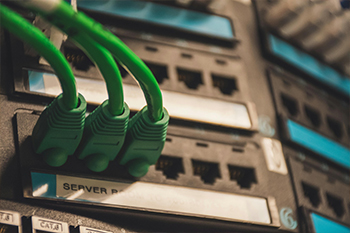
Telecommunications Equipment
Silver plating provides signal integrity and connection reliability for RF components and important infrastructure hardware.
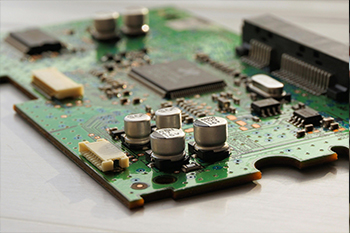
Electronics Manufacturing
High-performance contacts, connectors, and circuit elements benefit from silver's unmatched conductivity.

EV and Battery Technology
Silver-plated components support efficient electrical distribution management in electric vehicle systems and energy storage applications.

Aerospace and Defense
Mission-important electrical systems rely on silver-plated components meeting stringent industry specifications.
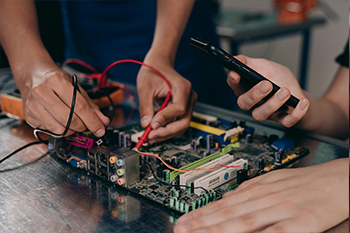
Silver plating provides corrosion resistance and conductivity for shipboard electrical distribution systems.
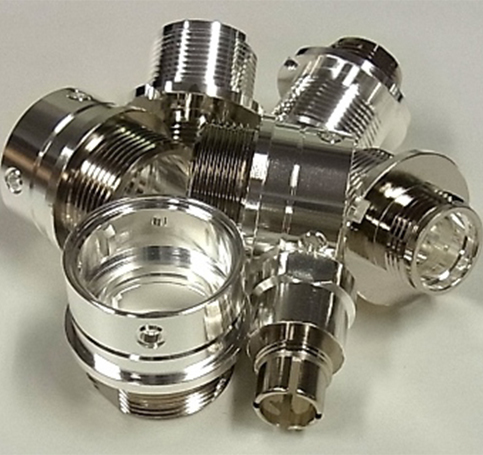
For applications requiring excellent solderability and whisker resistance in important electrical components, our tin-lead plating services offer specialized solutions for high-reliability applications.
Why Choose Nobert Plating for Silver Plating
With over a century of silver-plating expertise dating back to our founding, we understand the important performance requirements for silver-plated components across diverse industries. Our history began with silver plating fine tableware and decorative objects for Chicago's finest hotels and residences, and expanded to industrial applications including electrical distribution components for Boulder Dam and Argonne National Laboratory.
What distinguishes us from standard plating providers:
- Historic expertise in silver plating dating back to 1903
- Specialized knowledge of electrical and electrical distribution transmission applications
- Comprehensive quality testing and documentation
- Technical consultation to optimize specifications and control costs
- Responsive customer service and reliable delivery
- Problem-solving capability for challenging applications
- Competitive pricing with transparent quotation process

Frequently Asked Questions About Silver Plating
Most common metals can accept silver plating, including copper, brass, nickel alloys, and properly prepared aluminum and steel. Material compatibility assessment is part of our quality process.
Standard applications range from 0.0001" to 0.001", with capability for heavier deposits when required. Optimal thickness depends on the specific application needs.
Silver offers 105% the conductivity of copper and 95% of gold at a fraction of the cost, making it ideal for high-current applications where gold's excellent corrosion resistance isn't required.
Untreated silver naturally tarnishes through sulfur exposure. For applications where this is unacceptable, we offer anti-tarnish treatments to maintain conductivity and appearance.
Our silver-plating processes conform to ASTM B700, AMS 2410, and MIL-DTL-45204, among others, depending on your specific requirements.
Yes, we specialize in silver plating on aluminum using our advanced AlstanĀ® surface preparation process to create exceptional adhesion.
Oxidation rates depend on environmental factors. Untreated silver will form a surface tarnish layer, but this typically doesn't significantly impact electrical performance in many applications.
Yes, silver plating is excellent for RF components with its conductivity and "skin effect" advantages at high frequencies.
Bright silver offers a highly reflective appearance, and matte provides a subdued finish. Both deliver similar conductivity benefits, with the choice primarily affecting appearance.
Yes, we can apply heavy silver deposits for applications requiring extended wear life, though alternative materials may be more cost-effective for pure wear resistance.
